_-_Climate_Lab_Book_(Ed_Hawkins).png)
China's 2025 National Energy Administration conference set a 2026 target of reducing carbon intensity by 6-7% compared with 2015-2022 — a selective baseline that excludes carbon sinks, making the target appear more ambitious than it is.
"The 6-7% target is a political target, not a technical one. The real test is whether absolute emissions peak before 2030."
The target was set at the 2025 National Energy Administration conference. However, it uses a selective baseline that excludes carbon sinks, making the reduction appear more ambitious than the underlying emissions trajectory.
Why the Baseline Matters
China's reported carbon intensity reduction target uses a 2015-2022 baseline that excludes carbon sinks. This is a deliberate choice — carbon sinks (forests, land restoration) contribute to measured reduction but aren't part of the underlying emissions trajectory. By excluding them, the apparent reduction looks larger than what's happening in practice.
CBAM as the True Driver
The EU's Carbon Border Adjustment Mechanism (CBAM) is the single largest external pressure on China's climate policy in 2026. By the time CBAM fully phases in its customs declarations, approximately 50 megatonnes of Chinese exports will be subject to EU carbon pricing. This affects:
- Steel and aluminum — the largest impacted sectors, accounting for the bulk of exposed emissions
- Cement — growing exposure as CBAM phases into the full period from 2026
- Fertilizers and hydrogen — smaller but meaningful exposure
The "peak before 2030" narrative gains urgency from this trade policy reality, not from domestic climate ambition alone.
What's Actually Working
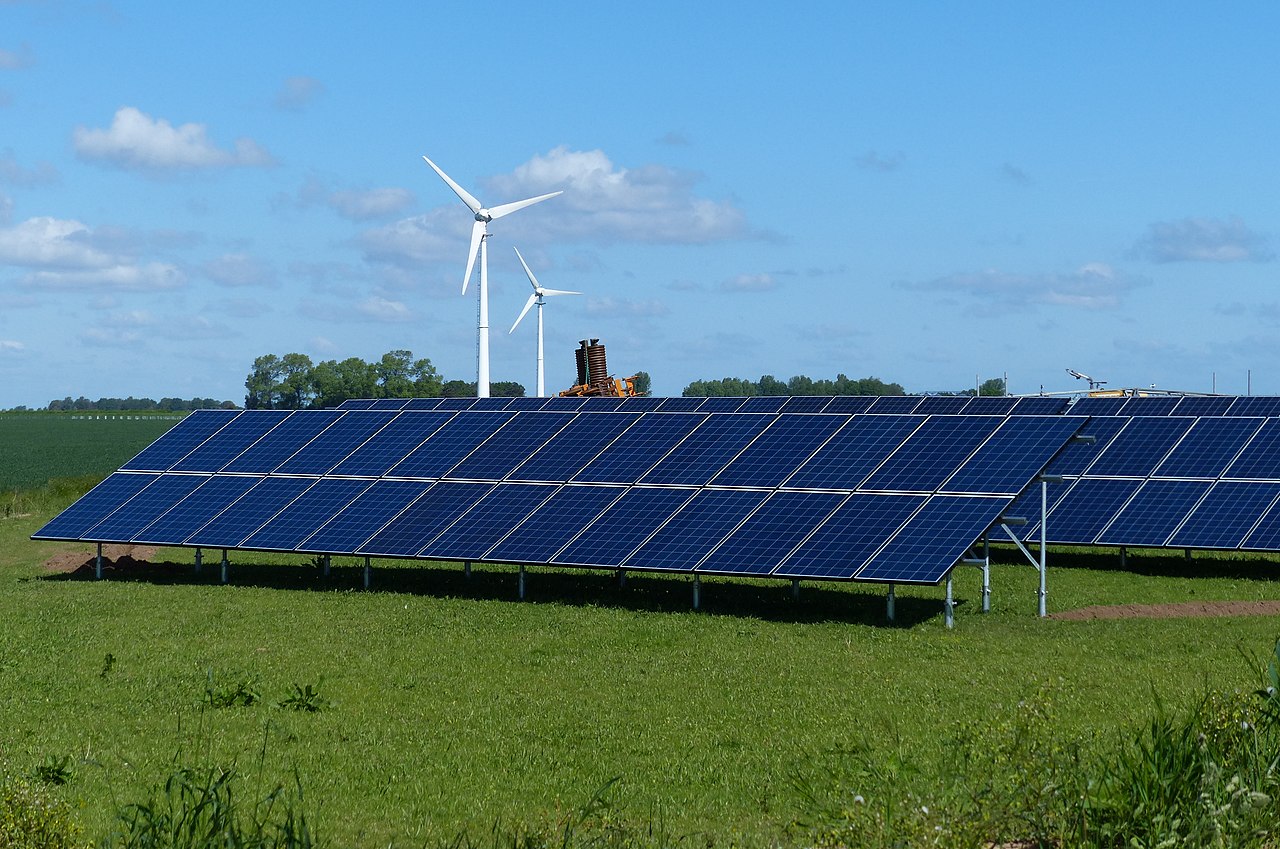
The 70% renewable electricity target for 2026 is achievable given current construction rates — not because of policy ambition, but because renewables are now cheaper than coal in most of China.
Quick Analysis
Key Issues
- Baseline manipulation: The 6-7% target uses 2015-2022 which excludes carbon sinks, inflating apparent ambition
- CBAM timing: The 2030 emissions peak target (10.277 t CO2/10k yuan GDP) uses an even narrower baseline (2025-2026, post-EU CBAM)
- Real progress: The 70% renewable electricity target for 2026 is achievable given current construction rates
- Political optics: "Peak before 2030" narrative is driven by EU trade policy, not domestic ambition
Related Content
- Resources — Reference materials and data sources
- Tools — Analytical frameworks
- References — Academic and policy sources
- Climate Crisis Explainer
Further Reading
For deeper dives, see the curated Further Reading page with full source analysis on China's carbon intensity framework, data center energy demand, and broader transition context.
Economic Impacts & Policy Mechanisms
The carbon intensity targets intersect with several economic policy instruments, each with different mechanisms and impacts:
| Policy Instrument | Mechanism | Economic Impact | Timeline |
|---|---|---|---|
| CBAM (EU) | Carbon pricing on imports | 50Mt exports exposed; steel/aluminum most affected | Full implementation 2026 |
| Cap-and-Trade (China) | Carbon market for power sector | Covers ~40% of emissions; price volatility | Phased expansion 2025-2030 |
| Renewable Subsidies | Fiscal support for clean energy | Accelerates deployment; fiscal burden ~1.5% GDP | Ongoing through 2026 |
| Green Finance | Eco-friendly lending standards | Directs capital to transition projects | Implemented 2024-2026 |
Note: The interaction between these instruments creates complex economic signals. CBAM provides external pressure, while domestic policies manage the transition's social and economic costs.
Key Economic Challenges
- Fiscal sustainability: Renewable subsidies cost ~1.5% of GDP annually; long-term financing needs assessment
- Regional disparities: Coastal provinces face different transition pressures than inland manufacturing hubs
- Employment transitions: Coal sector workforce restructuring requires retraining programs
- Investment uncertainty: Policy whiplash from baseline changes affects long-term planning
"The economic reality is that China's transition is being driven as much by external competitiveness as by climate ambition. CBAM forces the issue."