🌍 Thermokarst Features
When ice-rich permafrost thaws, the ground collapses into thermokarst features — lakes, slumps, and subsidence zones that accelerate further thaw.
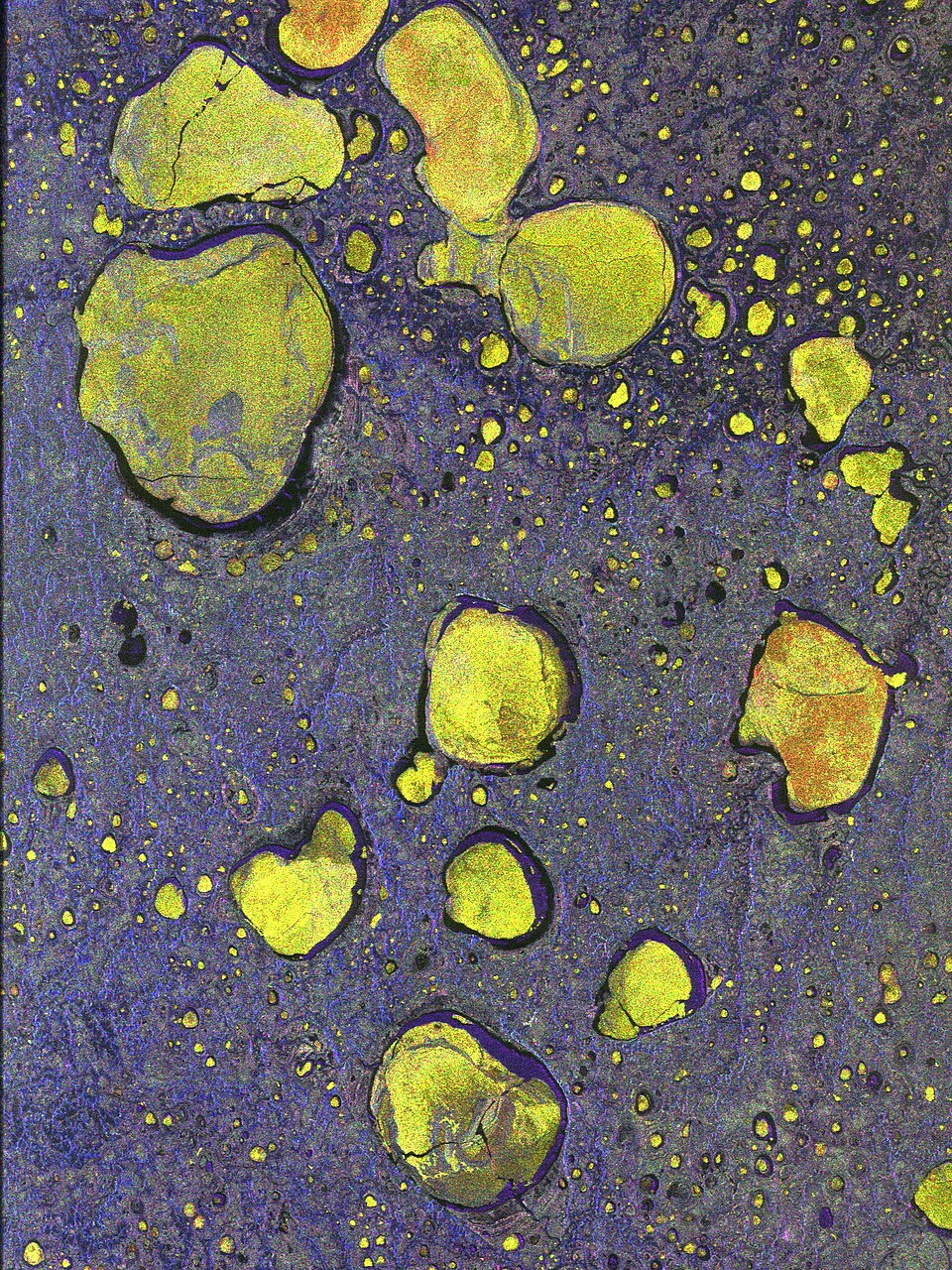

This landscape pattern is now expanding across the Arctic as permafrost temperatures rise. The lakes create anaerobic conditions ideal for methanogenesis — the biological production of methane by archaea in waterlogged soils.
🛰️ Satellite Monitoring
Several satellite missions now track permafrost dynamics and methane emissions at global scale:
NASA EMIT (2023–present)
The Earth Surface Mineral Dust Source Investigation (EMIT) mounted on the ISS maps methane point sources globally. Its findings include previously unreported Arctic methane hotspots in Siberia and Alaska that were not captured by ground-based monitoring alone.
_(21117417926).jpg)
NASA Landsat
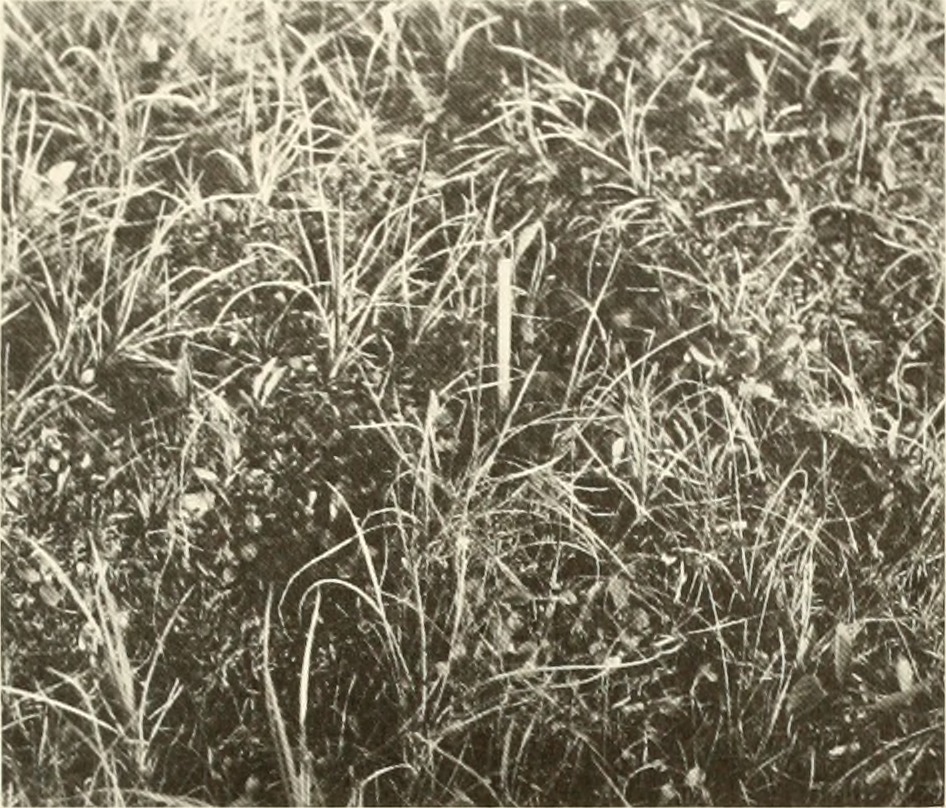
Landsat 8 and 9 have captured dramatic changes in Arctic tundra landscapes. The image above shows the Arctic lowlands of the Russian Far East — a region where permafrost degradation is outpacing model predictions.
Sentinel-2 & Sentinel-1 (ESA)
European Space Agency's Sentinel constellation provides high-resolution imagery for tracking thermokarst lake expansion rates across the circumpolar Arctic.
📡 Ground-Based Monitoring Networks
NOAA Permafrost Carbon Network
Operates continuous flux tower measurements across Alaska, Siberia, and Canada, providing ground truth for satellite observations. Key findings:
- Annual permafrost carbon release: ~14–30 GtC/yr (Maciel et al., 2021)
- Methane contribution: ~5–15% of total permafrost carbon flux
- Release rate accelerating 2–3× faster than 2000s baseline
International Permafrost Association (IPA)
Coordinates global permafrost research networks including:
- Permafrost Carbon Network (Permacarbn)
- Arctic Observing Network (AON)
- Siberian Thermokarst Monitoring Network
🔬 Field Trial Evidence
Recent field studies confirm accelerating permafrost degradation:
| Study | Location | Key Finding |
|---|---|---|
| Maciel et al. (2021) | Global permafrost zones | ~14–30 GtC/yr released, ~5–15% as methane |
| Schuur et al. (2015) | Arctic permafrost regions | 270–660 GtC release projected by 2100 (high emissions) |
| Nature Climate Change (2022) | Arctic-wide | Feedback could double warming impact of all other emissions |
📊 Key Data Sources
- NOAA Permafrost Carbon Network: noaa.gov/permafrost-carbon
- NASA EMIT Mission: earthobservatory.nasa.gov
- Schuur et al. (2015) Permafrost Carbon: Nature Geoscience
- Maciel et al. (2021) Permafrost carbon flux: Nature
- Nature Climate Change (2022): Nature Climate Change
🔗 Related Resources
- Main Permafrost Methane page — mechanism and implications overview
- References page — full citations and datasets
- Climate Crisis Explainer — feedback cascade context
- Implementation Gap analysis — policy context